Looking for a coastal town that feels active, connected, and easy to enjoy day to day? Dunedin stands out for exactly that reason. If you want Gulf access, a walkable downtown, and a mix of character homes and condos, this guide will help you understand what living in Dunedin really feels like and whether it fits the lifestyle you want. Let’s dive in.
What living in Dunedin feels like
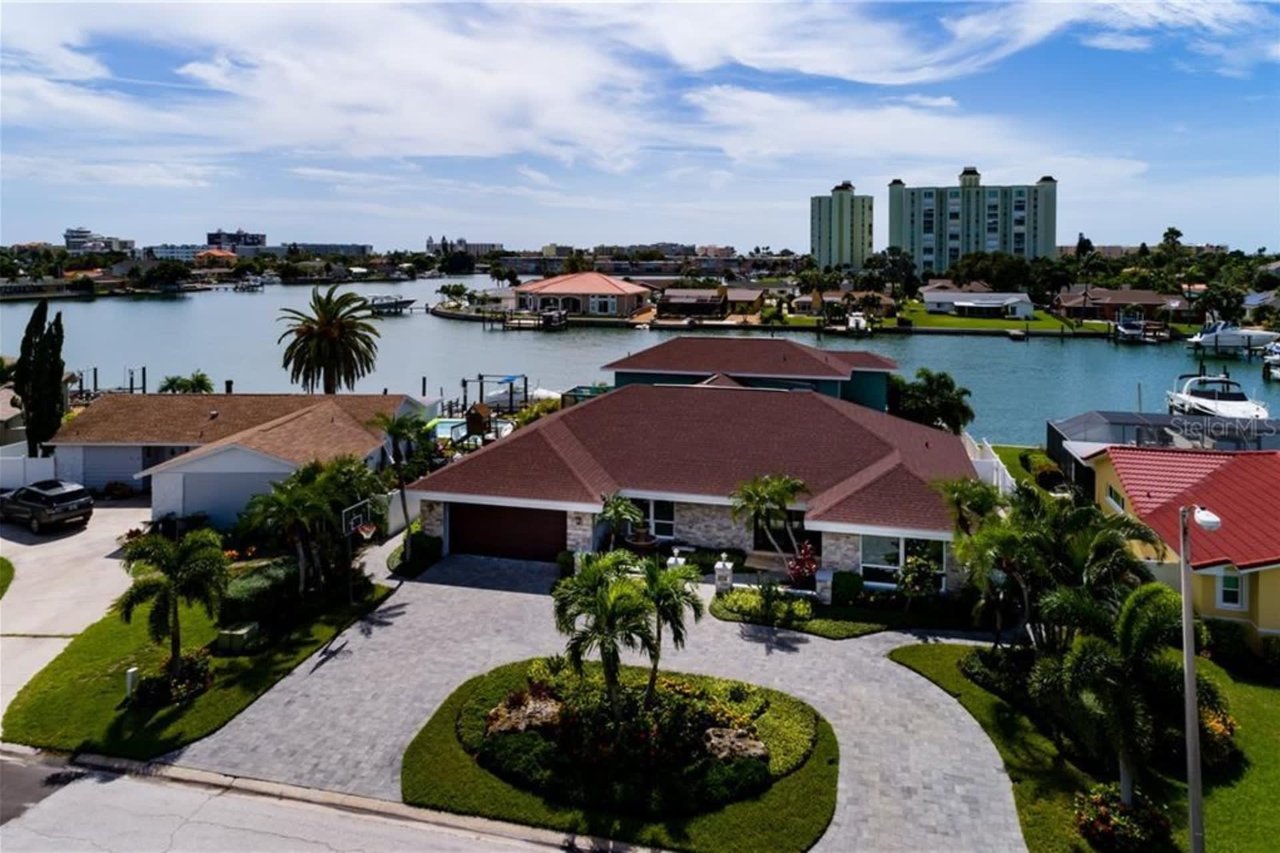
Dunedin has a distinct identity in Pinellas County. According to the City of Dunedin, it is one of the few open waterfront communities along this stretch of the Gulf where buildings do not block the view. That open coastal setting is a big part of the appeal.
At the same time, Dunedin keeps a true small-town feel. The city highlights its lively downtown, festivals, parks, trails, and community gathering places, and that shows up in daily life. You get a place that feels social and walkable without losing its local character.
The city’s Downtown Community Redevelopment Agency also focuses on preserving that coastal small-town atmosphere, improving walkability, and supporting the waterfront, arts, and historic heritage. For you as a buyer, that helps explain why Dunedin feels more like a destination town than a pass-through area.
Downtown shapes daily life
If you spend time in Dunedin, downtown quickly becomes part of your routine. The city’s downtown market assessment describes Main Street as a traffic-calmed, pedestrian-oriented corridor stretching more than a mile from New York Avenue to the municipal marina. Along the way, you will find small businesses, local restaurants, and shops that give the area its personality.
This is also where the Pinellas Trail crosses through the middle of downtown, which adds even more foot and bike activity. Public spaces like Pioneer Park and Edgewater Park help connect downtown life to the waterfront. Instead of feeling separated, the downtown core and the coast work together.
Parking is often easier than first-time visitors expect. The city notes that the Monroe Street Parking Garage has 195 spaces, and parking is free except during certain special events with street closures. That may sound simple, but it makes everyday errands, dinner plans, and event nights more convenient.
Outdoor living is part of the routine
One of the biggest reasons people consider Dunedin is how easy it is to spend time outside. The city maintains more than 35 parks and 560 acres of green space, and parks are generally open daily from sunrise to sunset unless otherwise posted. That gives you a lot of options for casual outdoor time close to home.
Pioneer Park plays a major role in the downtown experience. It hosts concerts, films, and the Downtown Market, but it also works as a simple everyday gathering spot right on Main Street. If you value places that encourage people to linger, meet up, and stay connected, this matters.
The waterfront adds another layer to daily life. The city’s beaches and coast information highlights the Dunedin Causeway as a 2.5-mile route to Honeymoon Island State Park, with opportunities for fishing, watercraft activity, and sunbathing. The municipal marina also supports boating with a ramp, day docks, a fishing pier, sailing programs, charters, and a café.
Beaches and island access nearby
Dunedin gives you quick access to some of the area’s best-known outdoor destinations. Honeymoon Island State Park offers more than four miles of beach, a three-mile trail, and activities like swimming, fishing, shelling, hiking, and biking. For many residents, this is not just a weekend trip. It can become part of a regular routine.
If you want something that feels quieter and more removed, Caladesi Island State Park is reachable by ferry from Honeymoon Island. Because it is accessible only by boat, it offers a more remote beach experience than many nearby spots. That access to both active and quieter outdoor settings is part of what makes Dunedin appealing.
Even when you stay in town, water views remain part of the backdrop. The downtown market assessment notes that Edgewater Park fronts the marina and looks out toward the Dunedin Channel and St. Joseph Sound. In practical terms, that means the coastal setting is not limited to one beach day. It is built into everyday scenery.
Getting around in Dunedin
Dunedin is especially attractive if you want options beyond driving everywhere. The Fred Marquis Pinellas Trail runs 65 miles and supports walking, jogging, skating, and biking from 7 a.m. to sunset. The city also identifies Dunedin as Florida’s first Trail Town, which tells you how central trail access is to local identity.
Golf carts are part of the local culture, but there are clear rules. The city allows them only on designated streets with posted speeds of 30 mph or less. They are not permitted on the Pinellas Trail, sidewalks, parks, or other public lands unless specifically designated.
That distinction is useful if you are picturing car-free or low-car living. In some parts of Dunedin, biking, walking, and limited golf cart use can support daily routines, especially near downtown. Still, access is regulated, so it is smart to think about your exact location and habits when choosing a home.
Arts, music, and events keep it lively
Dunedin’s appeal is not just physical. It also has a strong cultural rhythm. The city’s arts and culture resources point to the Dunedin Fine Art Center, the Dunedin History Museum, public art, the Scottish Arts Foundation, and the First Friday Artwalk as part of the local fabric.
The Dunedin Fine Art Center adds a lot to that experience. Since opening in 1975, it has grown into a broad community arts center with exhibits, classes, events, a children’s museum, a café, and a gallery shop. For residents, it offers a year-round place to engage with art in a practical, accessible way.
The local brewery scene is part of Dunedin’s social life too. Dunedin Brewery was founded in 1996 and describes itself as Florida’s oldest distributing microbrewery still in operation. Its mix of live music, food, and downtown presence reflects the casual but active energy many people associate with the city.
Annual events help reinforce that identity. The city’s Dunedin Wines the Blues event page describes a festival atmosphere on Main Street and in Pioneer Park with live music, wine, craft beer, and food vendors. Add in ongoing Scottish heritage, visible in local names and traditions, and Dunedin feels like a place with a strong sense of continuity.
What the housing market looks like
Dunedin’s housing stock reflects its established character. According to the U.S. Census QuickFacts, the city’s 2024 population estimate is 35,932, with owner-occupied housing making up 71.1% of occupied units. The median owner-occupied home value is $396,000, median gross rent is $1,675, and median monthly owner cost with a mortgage is $1,922.
Those numbers suggest a city with a stable ownership base and a wide mix of residents. The same Census source reports a median household income of $74,477 and a mean travel time to work of 24.9 minutes. For buyers comparing Dunedin with other coastal parts of Pinellas County, this helps frame the area as established and relatively compact.
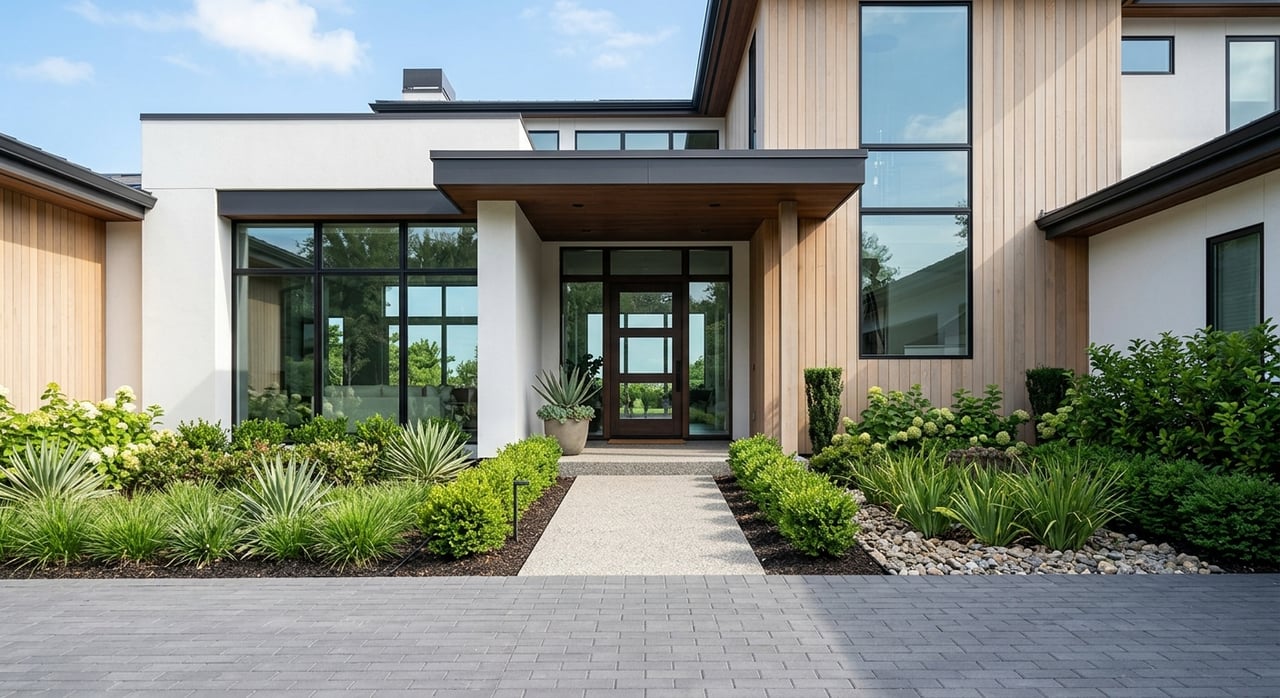
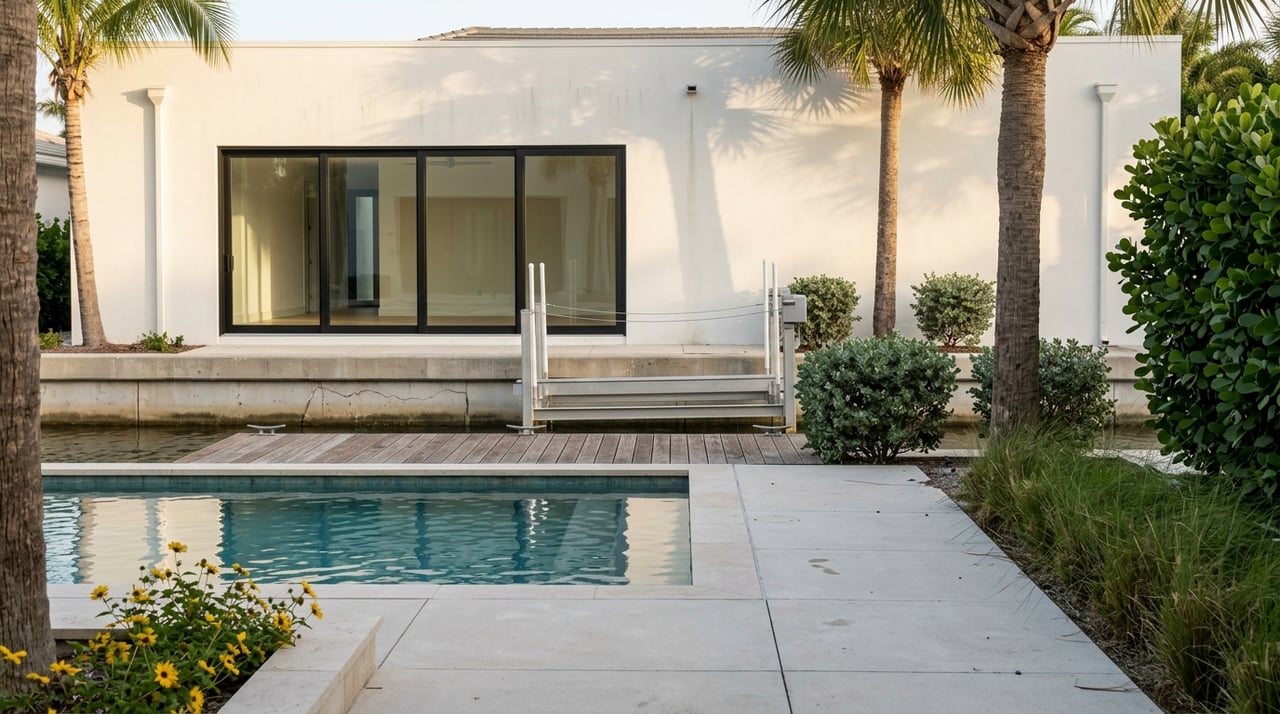
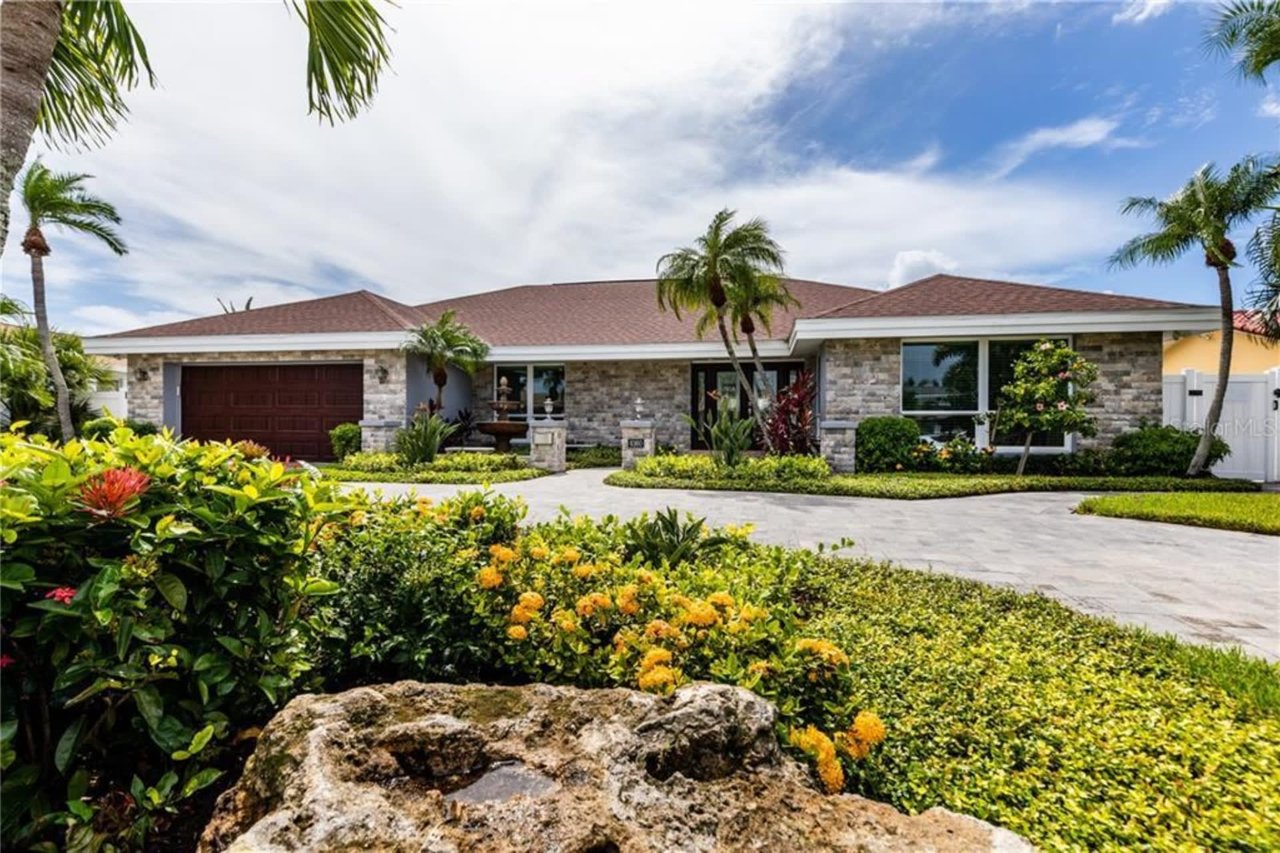
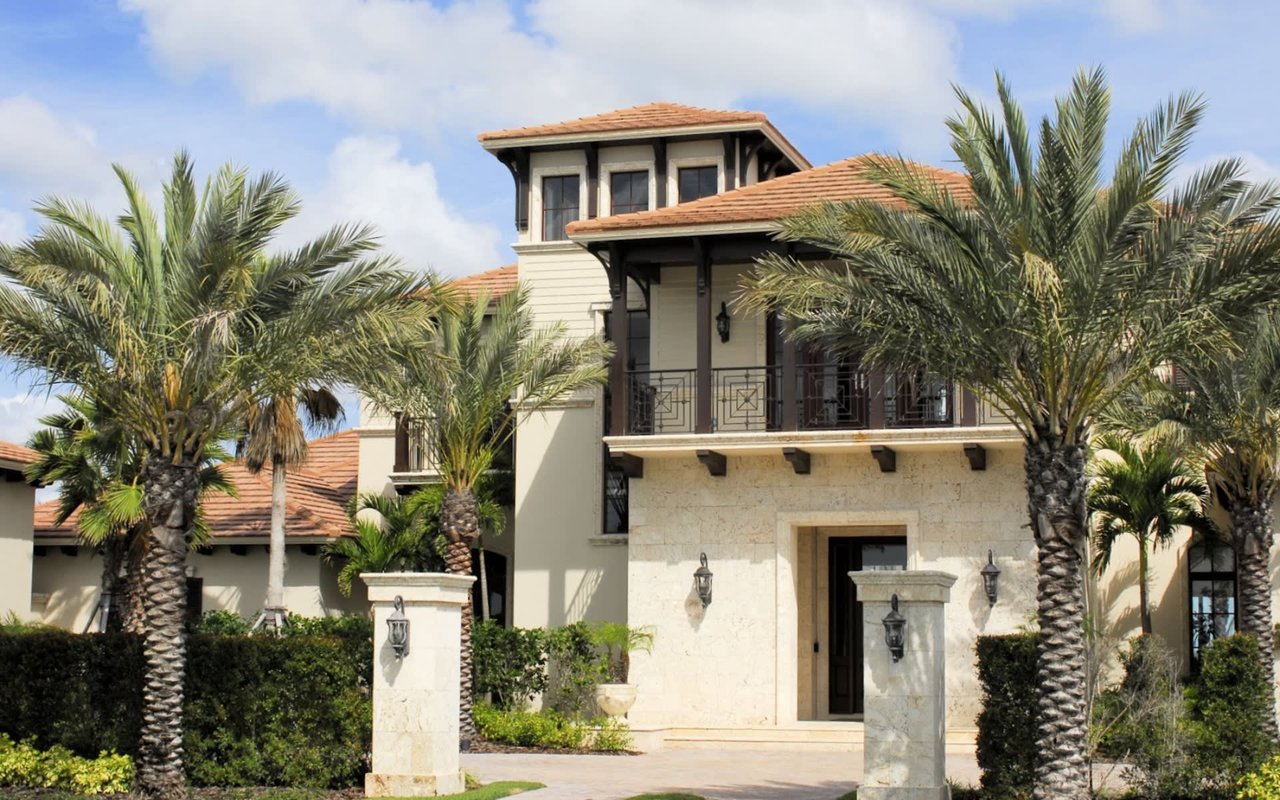
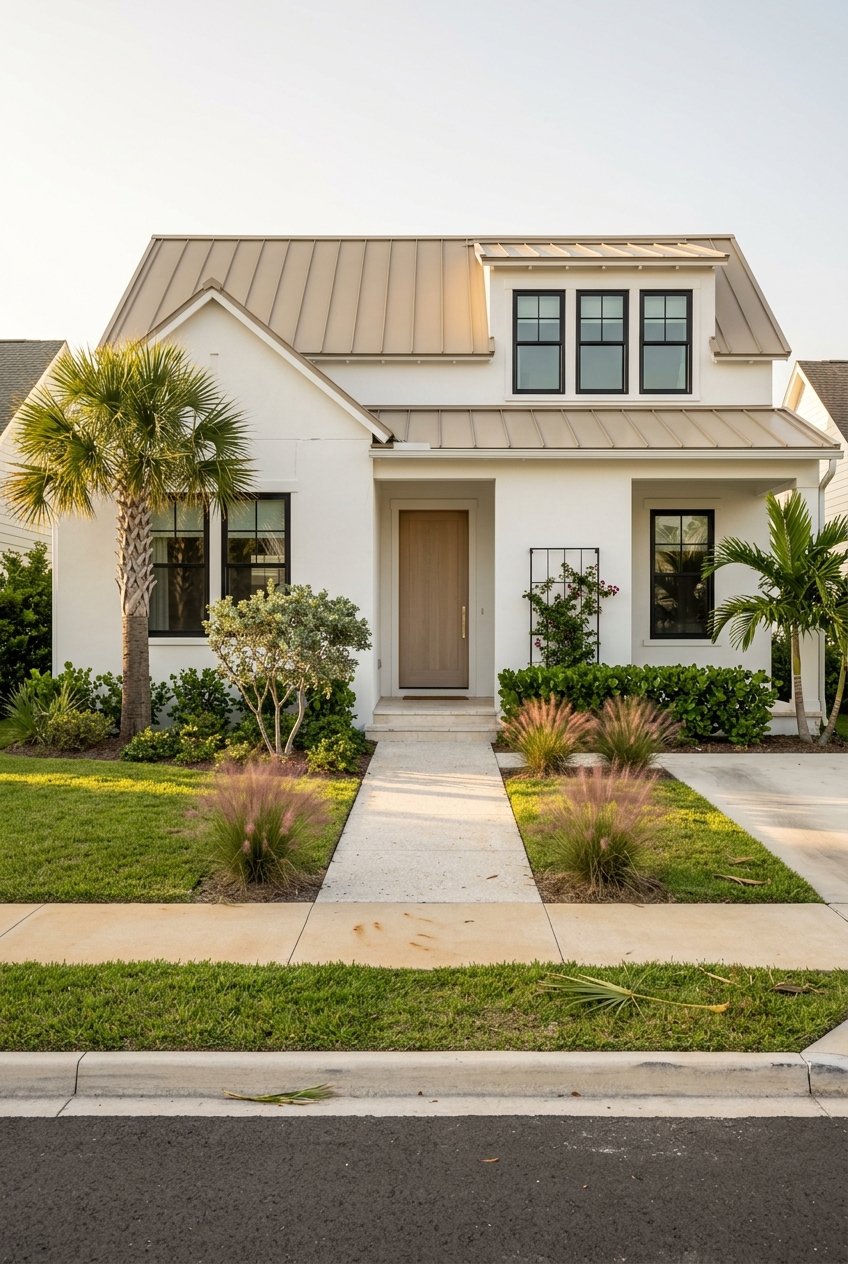
Housing styles also vary more than some buyers expect. The city’s historic resources survey identifies architectural styles including Craftsman, Bungalow, Colonial Revival, Mediterranean Revival, Ranch, and Mid-Century Modern. That older design mix is part of what gives many areas, especially near downtown, their visual appeal.
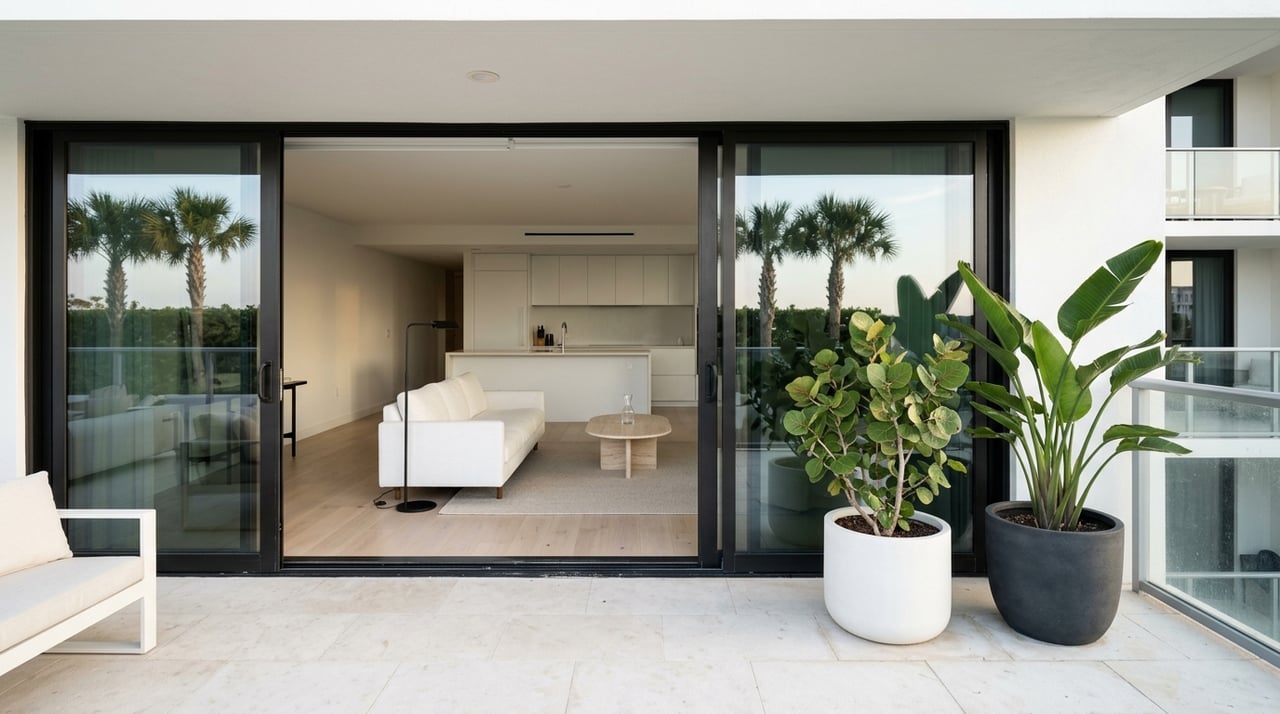
Dunedin is not limited to older single-family homes, though. The city’s permits and inspections materials reference residential types such as single-family homes, duplexes, triplexes, townhomes, condominiums, apartments, villas, and mobile homes. For you, that means the city can offer very different lifestyle options depending on budget, maintenance preferences, and proximity to downtown or the waterfront.
Who tends to like Dunedin most
Dunedin often appeals to buyers who want more than beach access alone. If you are looking for a town where you can spend time outside, stay close to the water, and enjoy a true downtown without giving up neighborhood character, it checks a lot of boxes. It can be a strong fit for full-time residents, second-home buyers, and relocators who want a coastal setting with daily convenience.
It may be especially appealing if you value lifestyle variety. In one week, you can spend time on the trail, meet friends downtown, visit a park, enjoy live music, or head toward Honeymoon Island. That range is part of the city’s staying power.
The bigger question is often about fit. Dunedin tends to suit buyers who want a walkable, character-rich, water-oriented place rather than a more conventional suburban experience. If that sounds like what you have in mind, it is worth taking a close look at how different parts of the city align with your routine and goals.
If you are exploring Dunedin or comparing it with other Tampa Bay coastal communities, working with an advisor who understands lifestyle fit, waterfront nuance, and long-term value can make the process much easier. Natalie Scott and her team help buyers and sellers make informed, confident decisions across the Gulf Coast.
FAQs
What is daily life like in Dunedin, Florida?
- Daily life in Dunedin centers around a walkable downtown, parks, waterfront access, the Pinellas Trail, and a steady calendar of local events, according to city resources.
Is downtown Dunedin easy to walk around?
- Yes. The city describes Main Street as a pedestrian-oriented, traffic-calmed corridor with shops, restaurants, parks, and marina access nearby.
Does Dunedin have beach access nearby?
- Yes. Dunedin connects directly to Honeymoon Island State Park by way of the Dunedin Causeway, and Caladesi Island is accessible by ferry from Honeymoon Island.
Can you use a golf cart in Dunedin?
- Yes, but only on designated city streets with posted speeds of 30 mph or less. Golf carts are not allowed on the Pinellas Trail, sidewalks, parks, or other public lands unless specifically designated.
What types of homes are available in Dunedin?
- Dunedin includes a mix of single-family homes, townhomes, condos, apartments, villas, duplexes, triplexes, and mobile homes, with many older architectural styles adding character in established areas.
Is Dunedin a good fit for buyers who want a coastal lifestyle?
- Dunedin can be a strong fit if you want a water-oriented town with an active downtown, parks, trail access, and a mix of housing choices in an established coastal setting.