Thinking about trading a mainland routine for a quieter stretch of Gulf Coast living? If Belleair Beach is on your shortlist, you are probably looking for more than just a house. You are looking for a coastal lifestyle that feels calm, residential, and connected to the water. This guide will walk you through what to expect before you buy, from housing and flood planning to parking, boating, and day-to-day logistics. Let’s dive in.
Belleair Beach at a Glance
Belleair Beach is a small coastal city in Pinellas County with 1,633 permanent residents and about 230 acres of upland parcel acreage. According to the city’s long-range plan, growth is expected to remain modest because the city is largely built out and has very little vacant land.
That matters if you are relocating here. Belleair Beach is not a high-growth market with large pockets of new development. Instead, it is a low-density residential community where existing homes, renovations, and resale opportunities play a much bigger role.
What the Setting Feels Like
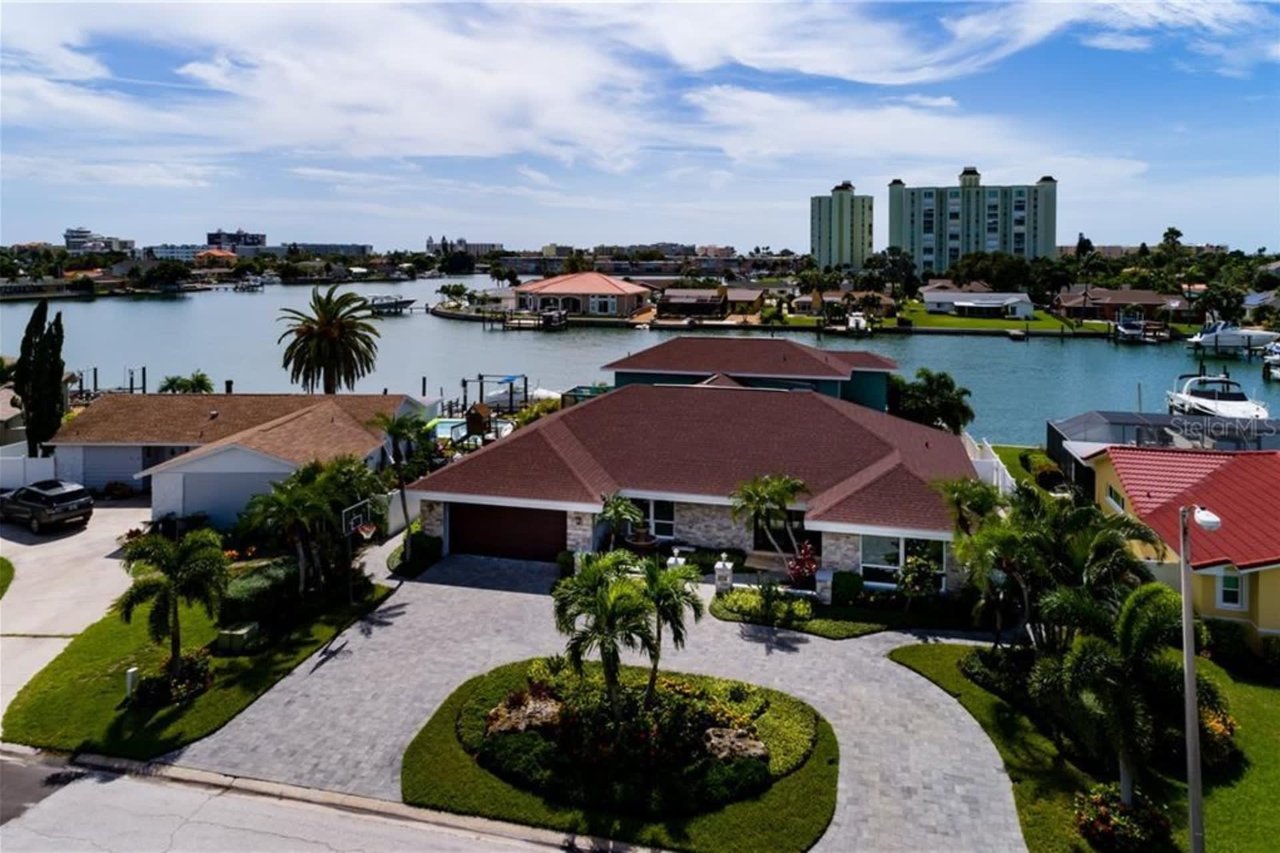
The city’s land-use plan is dominated by residential uses, especially single-family detached housing. It also includes some multifamily, recreation and open space, and preservation land. The same plan states there are no designated commercial or industrial uses.
For you as a buyer, that points to a strongly residential setting. If your goal is a quieter coastal environment rather than a mixed-use district with shops and offices woven throughout, Belleair Beach may align well with what you want.
Housing Options in Belleair Beach
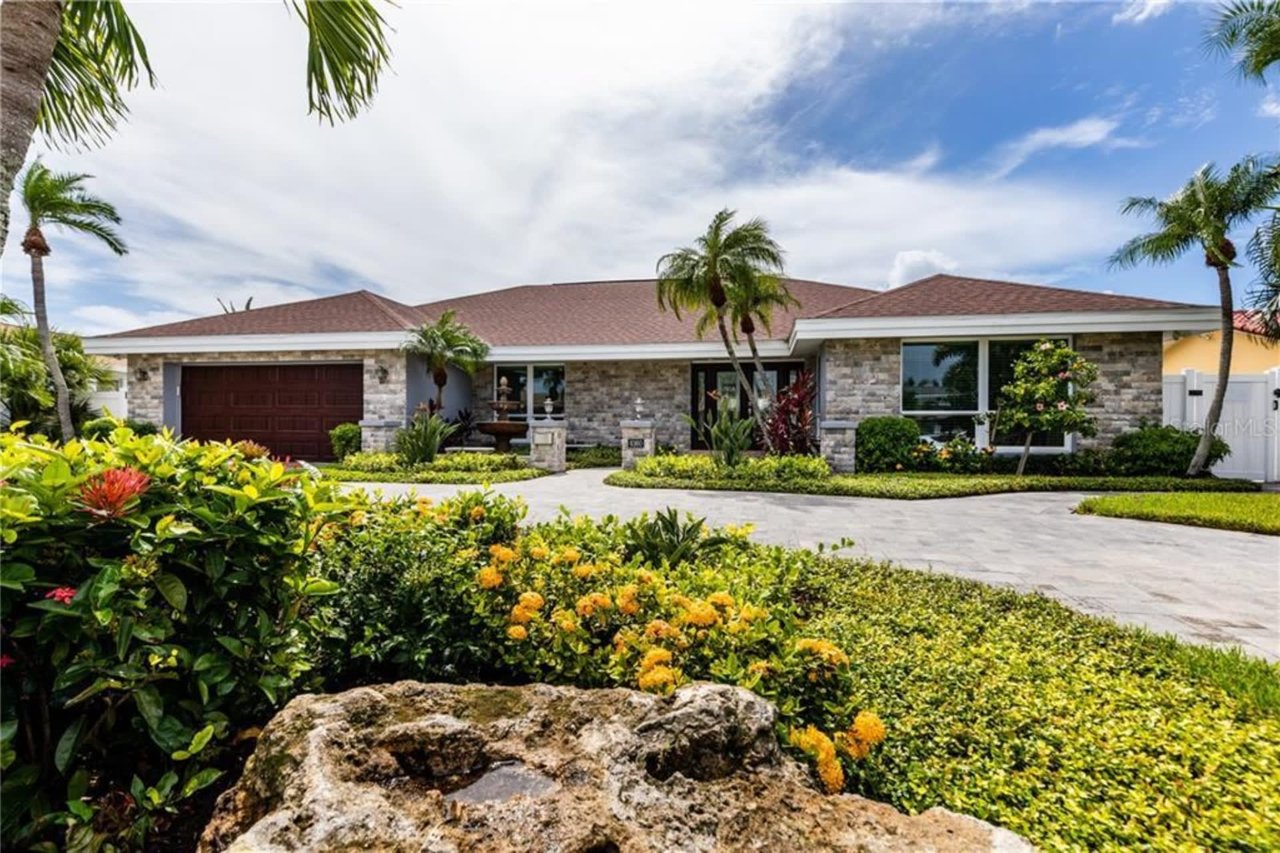
Belleair Beach is primarily a single-family market, but it is not only single-family. The city’s land-use analysis shows 78.7% single-family land use and 8.4% multifamily land use. Its housing analysis says about 70% of housing units are single-family, with the rest in multifamily categories.
That gives relocation buyers a few different paths depending on lifestyle and maintenance preferences. You may find that a detached home fits your need for space, privacy, or waterfront living, while a condo or other multifamily property may offer a lower-maintenance way to enjoy the coast.
Single-Family Homes Dominate
The future land-use map is largely designated Residential Low, with a maximum density of 4 units per acre. This reinforces the low-density character of the city and helps explain why Belleair Beach feels different from more built-up coastal areas.
If you want a neighborhood with fewer signs of rapid expansion, this can be a real advantage. It also means inventory may be tighter, and the right property may take patience to find.
Condos and Multifamily Options Exist
While single-family homes lead the market, condos and other multifamily properties are part of the local housing mix. City service information even separates trash pickup schedules for single-family homes and condominiums, which is a practical sign that both property types are established here.
For some buyers, that flexibility is important. A condo can make sense if you want a smaller footprint, less exterior upkeep, or a second-home setup that feels easier to manage from a distance.
Expect Limited New Construction
One of the most important things relocation buyers should know is that Belleair Beach has very little room left to grow. The city says all vacant parcels are designated Residential Low and could support only 16 additional units at full buildout.
In practical terms, that means you should not expect a large pipeline of brand-new communities. Your search is more likely to center on resale homes, updated properties, older homes with renovation potential, and replacement homes on existing lots.
This is where experienced local guidance can make a difference. In a market with limited supply and fewer new-construction choices, understanding the value of location, condition, and improvement potential becomes especially important.
Getting Around Belleair Beach
Belleair Beach has a different traffic rhythm than many mainland communities. The city identifies Gulf Boulevard as the main north-south arterial and Belleair Causeway as the east-west bridge over the Intracoastal Waterway.
The transportation plan notes that tourism-driven traffic does not follow a typical morning and evening commuter pattern. For you, that means delays may show up more around visitor activity and bridge movement than around a standard suburban rush hour.
Commute Expectations Are Different
If you are relocating from a traditional suburb, this is worth factoring into your daily routine. Travel times can be shaped by beach traffic, seasonal visitors, and bridge access rather than by office commute cycles alone.
That does not make Belleair Beach inconvenient. It simply means your schedule may need a more coastal mindset, especially if you cross the causeway often or expect frequent mainland errands.
Beach Access and Parking Rules
Belleair Beach offers residents access to four beach accesses with parking permits: 6th Street, 12th Street, 19th Street, and Morgan Park. The city also lists four pedestrian walk-overs, and Morgan Park is the city’s only public beach park.
For residents with a current parking permit, parking at Morgan Park is free. Visitor parking there is metered. That is an important distinction if you are comparing Belleair Beach with nearby areas where parking access may work very differently.
Understand Permit Eligibility Early
The city issues beach parking decals only to Belleair Beach residents. Renters need a current lease, and the city’s on-street parking system requires permission from City Hall. Overnight on-street parking is not allowed.
If you plan to rent before buying, host guests often, or rely on street parking, these details matter. It is smart to confirm parking logistics early so your day-to-day setup matches local rules.
Boating Considerations for Buyers
If boating is part of your lifestyle, Belleair Beach offers useful amenities, but you should verify availability before making assumptions. The Belleair Beach Marina is located on the Intracoastal Waterway at 3505 Gulf Boulevard.
According to the city, there are currently no vacant slips, the minimum lease term is one year, and slip priority favors resident owners and resident leaseholders. The city also maintains 7th Street Park, which includes a boat ramp and fishing pier.
Check Marina Access Before You Buy
For relocation buyers with a boat, marina planning should be part of your search, not an afterthought. A home may check every box, but your boating setup could still require a separate strategy.
Before you move forward, review slip-priority rules and current availability. If direct boating access is a major priority for you, that should shape both your property search and your timing.
Flood Insurance and Coastal Risk
Belleair Beach is a high-flood-risk coastal community. The city states that it lies entirely in a Special Flood Hazard Area, including AE and VE zones. It also notes that flood insurance is required for federally backed mortgages in those areas.
The city further explains that standard homeowners insurance policies typically do not cover flood damage. NFIP policies usually have a 30-day waiting period before they take effect, so timing matters if you are planning a purchase.
There Is a Community Rating System Discount
Belleair Beach is a Class 6 Community Rating System community, which provides a 20% flood insurance premium discount. That can be a meaningful factor as you estimate long-term ownership costs.
Still, flood insurance should never be treated as a minor line item here. When you relocate to a barrier island community, insurance, elevation, storm planning, and property condition all become part of the ownership conversation.
Ask for Elevation Information
The city notes that not every property has an elevation certificate on file. For homes built after 1999, buyers are directed to the Pinellas County Building Department for that information.
This is one of those practical details that can affect both insurability and renovation planning. If you are comparing older and newer homes, elevation-related records may help you better understand future costs and limitations.
Renovation and Improvement Rules Matter
Many relocation buyers are open to updating an older coastal home, especially in a market with limited new construction. That can be a smart path, but it needs careful review in Belleair Beach.
The city’s flood guidance says that reconstruction, rehabilitation, additions, or improvements that reach 50% of market value within a five-year period can be treated as substantial improvements. If that threshold is met, the property may have to comply with standards for new construction.
Why This Matters for Buyers
A home that looks like a cosmetic project may involve much more than paint and finishes. In a coastal setting, permitting, elevation rules, and improvement thresholds can directly affect your renovation budget and timeline.
If you love the idea of transforming a property, it helps to evaluate that opportunity with clear eyes. Design potential is exciting, but so is understanding what the city may require before work begins.
Day-to-Day Ownership Is More Hands-On
Living in Belleair Beach can be rewarding, but it comes with practical responsibilities that some relocation buyers do not fully anticipate. Pinellas County Utilities provides potable water and sewer service, and the city uses Waste Pro for trash and recycling.
The city also encourages homeowners to maintain their property, reinvest in existing housing stock, and use water-conservation practices such as xeriscaping and low-flow fixtures. That reflects a local environment where ongoing upkeep and thoughtful ownership matter.
Storm Preparation Is Part of Ownership
The city states that hurricane tidal surge is Belleair Beach’s greatest flood threat. It also notes that evacuation can take hours because routes flood early, so residents should plan ahead for evacuation and re-entry before a storm.
Belleair Beach offers evacuation re-entry permits, house checks when owners are away, and a new-resident packet that explains utilities, trash, street parking, beach stickers, and beach fire questions. If you are moving from out of state or from inland Florida, these local systems are worth learning early.
Who Belleair Beach Best Fits
Belleair Beach tends to fit buyers who want a quiet, highly residential coastal setting with easy access to the beach and nearby boating. It also fits buyers who are comfortable with the realities of coastal ownership, including flood insurance, storm planning, parking rules, and ongoing maintenance.
If you are looking for dense retail, large-scale new construction, or a typical mainland commute pattern, you may find the market more limited. But if your priority is a more residential Gulf Coast lifestyle with a slower, more intentional rhythm, Belleair Beach can be a compelling place to land.
Smart Steps Before You Buy
A relocation purchase goes more smoothly when you clarify the local details early. In Belleair Beach, a few checks can save you time and help you avoid surprises.
- Verify the property’s flood zone and map panel before making an offer.
- Ask whether an elevation certificate is available, especially if flood insurance cost is a key concern.
- Review parking decal eligibility and on-street parking rules if you will have multiple vehicles or visiting guests.
- If you own a boat, confirm marina rules and slip availability before assuming access.
- Review the city’s new-resident information so you understand utilities, trash service, parking, and storm-prep procedures.
- If you are considering a remodel, look closely at permitting and substantial-improvement thresholds.
Relocating to the beach is exciting, but the strongest decisions usually come from balancing lifestyle goals with practical planning. If you want a calm, informed guide as you explore Belleair Beach, Natalie Scott can help you evaluate properties, understand the local nuances, and move forward with confidence.
FAQs
What should relocation buyers know about flood insurance in Belleair Beach?
- Belleair Beach lies entirely in a Special Flood Hazard Area, and the city says flood insurance is required for federally backed mortgages in AE and VE zones. Standard homeowners policies typically do not cover flood damage, and NFIP policies usually have a 30-day waiting period.
What kind of homes can you buy in Belleair Beach?
- Belleair Beach is primarily a single-family market, but it also includes condos and other multifamily options. The city’s land-use and housing analysis show that single-family housing dominates, while multifamily properties remain part of the local mix.
What is beach parking like for Belleair Beach residents?
- Residents can access designated beach areas with parking permits, including 6th Street, 12th Street, 19th Street, and Morgan Park. The city issues beach parking decals only to Belleair Beach residents, and renters need a current lease.
What should boaters know before moving to Belleair Beach?
- The Belleair Beach Marina is on the Intracoastal Waterway, but the city says there are currently no vacant slips, the minimum lease term is one year, and priority favors resident owners and resident leaseholders. Buyers who boat should check availability and rules early.
Is Belleair Beach a good fit if you want new construction?
- Belleair Beach has very limited vacant land, and the city says full buildout would allow only 16 additional units on remaining vacant parcels. Most buyers should expect a market focused more on resale homes, renovations, and replacement homes than large-scale new development.
How is Belleair Beach different from a mainland community?
- Belleair Beach has a low-density residential setting, no designated commercial or industrial land uses in the city’s plan, and a traffic pattern shaped more by tourism and bridge access than by a typical suburban commute. For many buyers, that creates a quieter but more location-specific daily rhythm.